



At CyberSmart, I led the product design for the flagship Active Protect agent and the new CyberSmart Patch feature. My role was hybrid; I drove a 4x increase in user engagement through rigorous UX research and simultaneous championed a technical transition, personally building a modern component library (React/Shadcn/Tailwind) to bridge the gap between design and engineering for future projects.
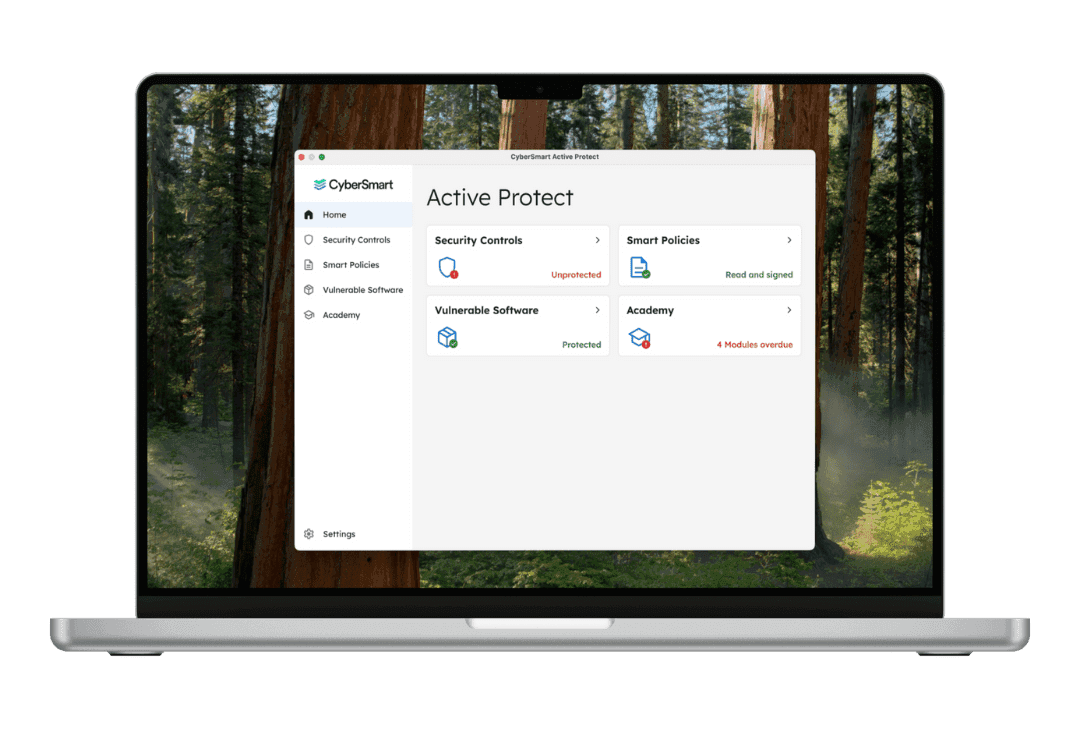
Our legacy reporting system was difficult for non-technical users to decipher. Users could see they had vulnerabilities, but the platform offered no direct way to fix them, leading to analysis paralysis. Furthermore, the core desktop agent (Active Protect) was due for an overhaul to meet modern usability standards. We needed to transform passive data into active protection.

Evidence-Based Design
Leveraging PostHog and User Testing to drive decisions.
I utilised PostHog extensively to analyse user behaviour, identifying high drop-off points on the old reports page. For the Active Protect redesign, I moved beyond analytics, conducting in-depth sessions with existing users and running A/B prototype testing. This dual approach of quantitative data and qualitative feedback ensured our solutions solved real user frustrations, not just aesthetic ones.
Product Growth
Turning a static report into a revenue-generating tool.
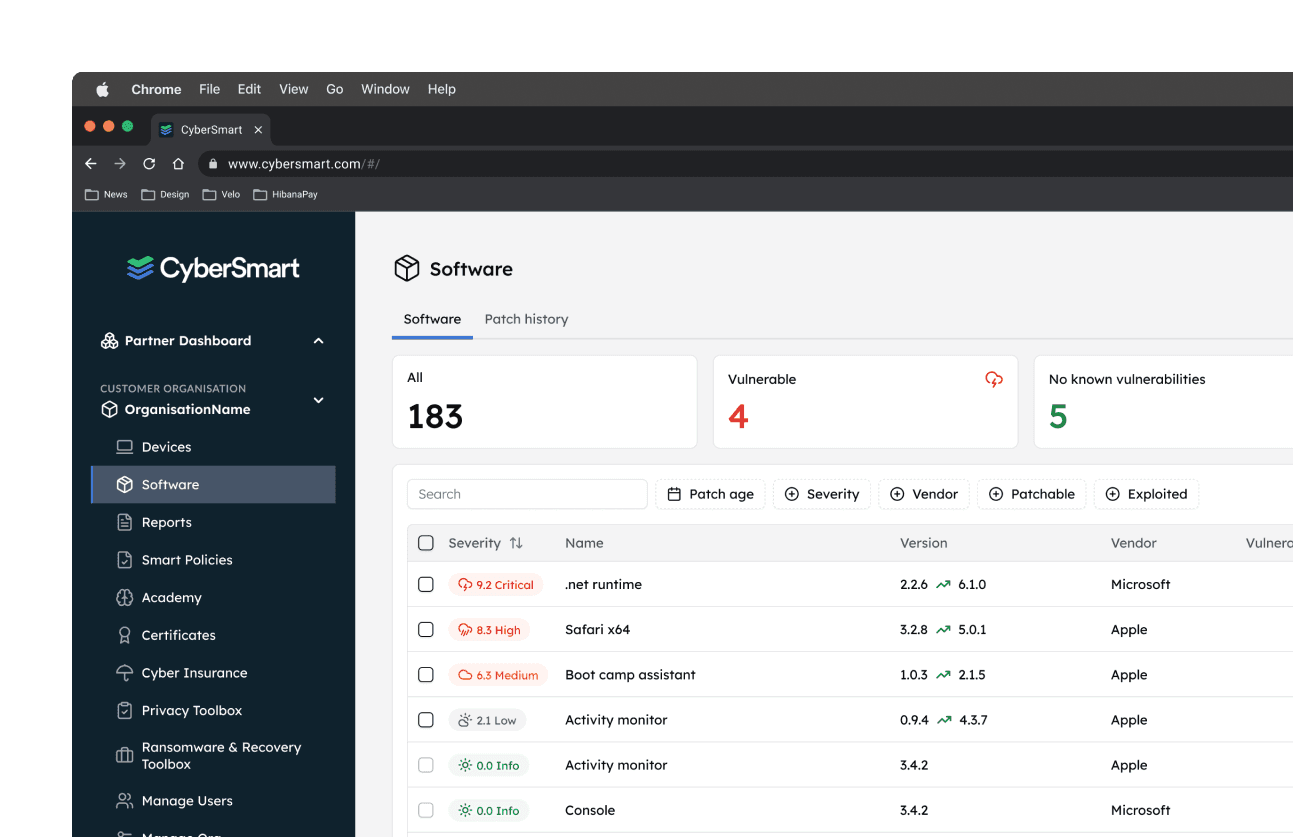
I overhauled the existing reports page into "CyberSmart Patch." We consolidated complex data into a clear, prioritised hierarchy that non-technical users could understand instantly. Crucially, we added the ability to act, allowing users to update software directly from the dashboard. This solved a critical user problem while creating a new upsell opportunity for the business.
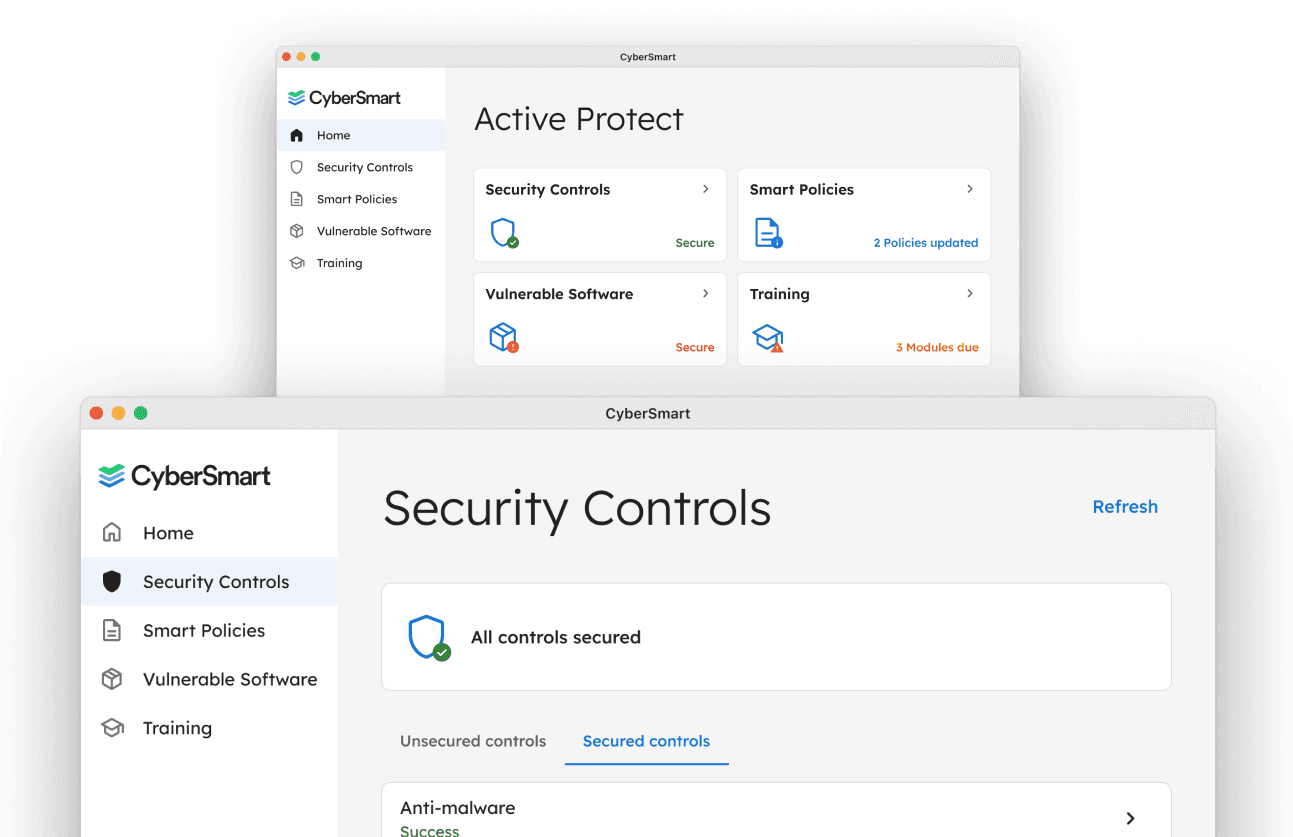
Flagship Redesign
A complete overhaul of the desktop security agent.
I led the end-to-end redesign of the "New & Improved Active Protect", the software we deployed on client machines. By focusing on clarity and reassurance, the new interface allowed users to instantly understand their device status. Post-release feedback sessions confirmed the redesign was widely praised for its ease of use and modernised aesthetic.
The "Patch" overhaul was a massive success, driving a 4x increase in active users compared to the previous reports page. This engagement and customer appetite converted directly to value, generating over £10k in Monthly Recurring Revenue with goals to continue improving revenue through Patch. Additionally, by tracking interaction data in PostHog, we generated high-intent lists of potential customers for the sales team, proving that good UX and data directly fuels the sales pipeline.
To improve design-dev parity in a stretched engineering team that want to move faster for future investments, I promoted the adoption of a modern stack. I didn't just design the system; I built the repository in Git using Shadcn, Tailwind CSS, and Vite. I delivered a production-ready component library that mirrored our Figma files 1:1, ready for the development team to adopt, significantly reducing future handover friction.