



At ADP, I led the UX strategy to transform the client onboarding experience for small businesses. The primary objective was to migrate a manual, specialist-dependent workflow into a robust, self-service product capability, enabling the platform to scale effectively for over 190,000 annual clients.
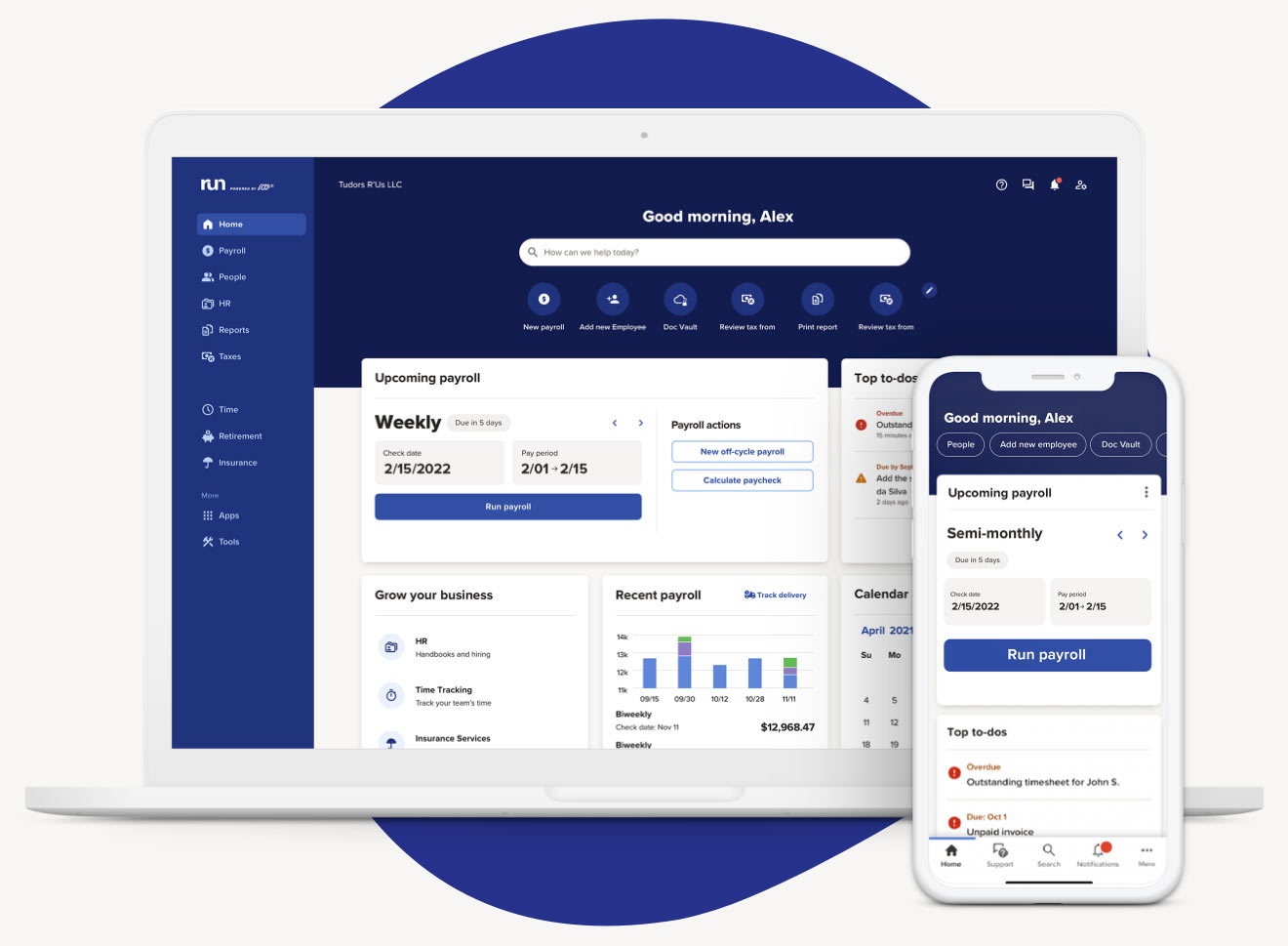
Previously, onboarding required lengthy phone calls with ADP specialists to navigate complex, state-specific tax regulations. This manual process was a significant bottleneck for sales efficiency and created high friction for users compared to agile competitors like Gusto. American tax is a complicated system that is overwhelming to tackle on your own.
Goal
Empowering users through progressive disclosure.
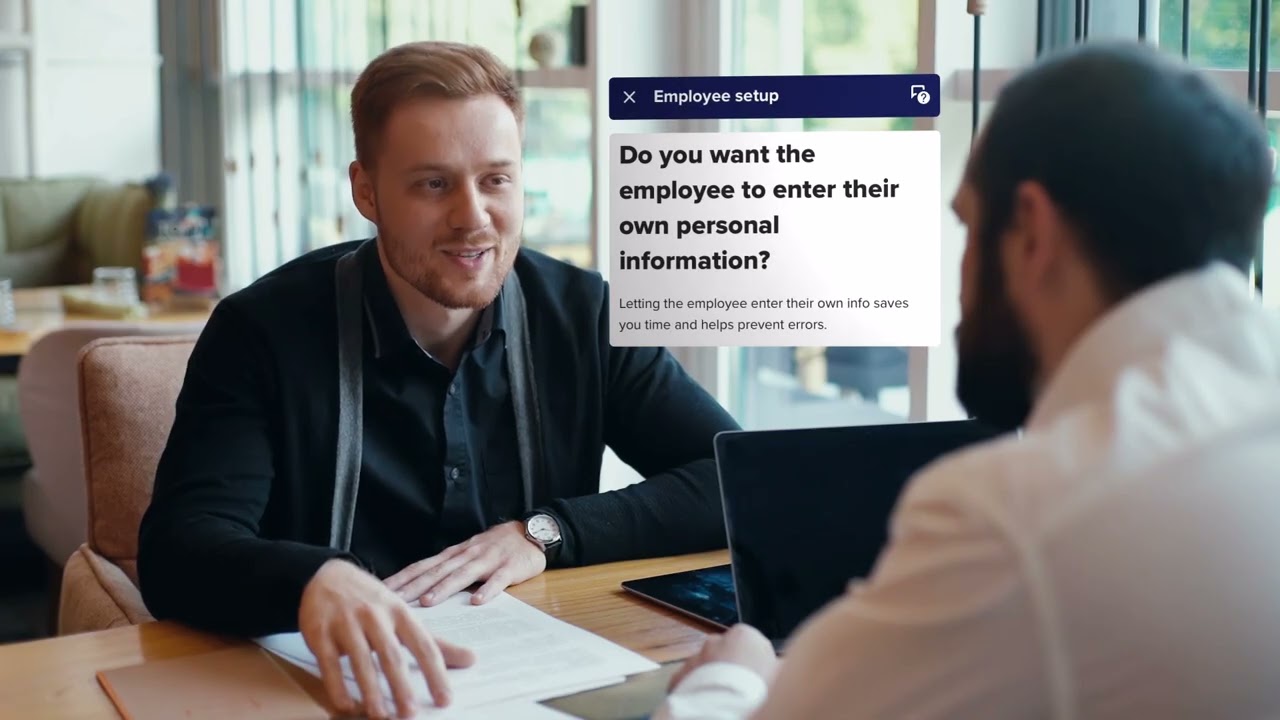
The goal was to empower small business owners, who are rarely tax experts, to onboard independently with confidence. We aimed to dismantle the overwhelming "wall" of compliance data into manageable, bite-sized tasks, ensuring accuracy without overwhelming the user.
Employee onboarding was updated so that employees could self onboard their details taking further work-load off the business owners reducing the cognitive overload.
Core Flow Architecture
A ground-up redesign of the tax onboarding ecosystem.
We architected a progressive disclosure form that adapted dynamically to the user's specific state and business type. By revealing information only when necessary, we transformed a daunting legal process into a contextual guided journey. This approach significantly reduced abandonment rates by keeping the user focused on one decision at a time.

Support Ecosystem
Context-aware assistance powered by Machine Learning.
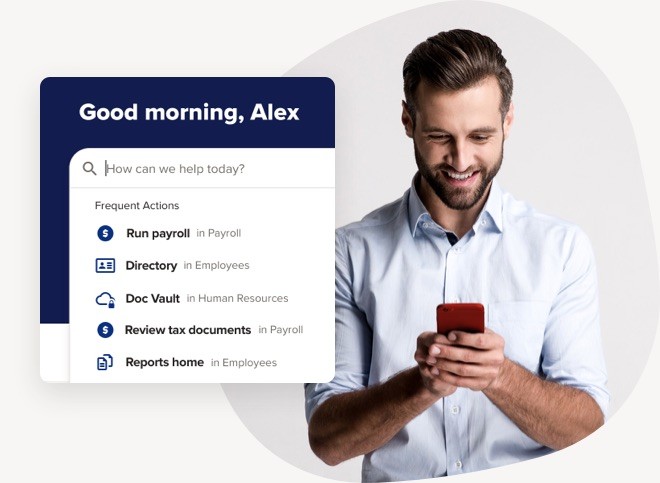
Recognising that self-service requires a safety net, I worked with a focus team to design a Machine Learning-powered Global Search and Help sidebar. Utilising fuzzy logic, the system provided Google-like accuracy for queries. We implemented "hub-and-spoke" navigation with contextual triggers, allowing users to access page-specific FAQs or live support instantly without losing their place in the form.
The system we built was adopted site wide for global search allowing users quickly access core functionality that is personalised for each user as they utilise the system.
The new self-service model successfully transitioned the business away from a reliant specialist workflow. It enabled over 190,000 clients annually to onboard themselves, directly improving sales efficiency and freeing up specialist time for high-value support rather than data entry.
This project reinforced that while we cannot remove the complexity of US tax law, we can control how it is perceived. By managing the flow of information and providing help at the exact moment of need, we proved that even the most administrative tasks can be designed to feel approachable and secure.